
How to Keep Your Sri Lankan Home Cool: 20 Practical Design Ideas for Hot Weather
· මිනිත්තු 7 ක කියවීම
මෙම ලිපිය තවමත් සිංහල භාෂාවෙන් නොමැත. ඔබ කියවන්නේ ඉංග්රීසි මුල් පිටපතයි.
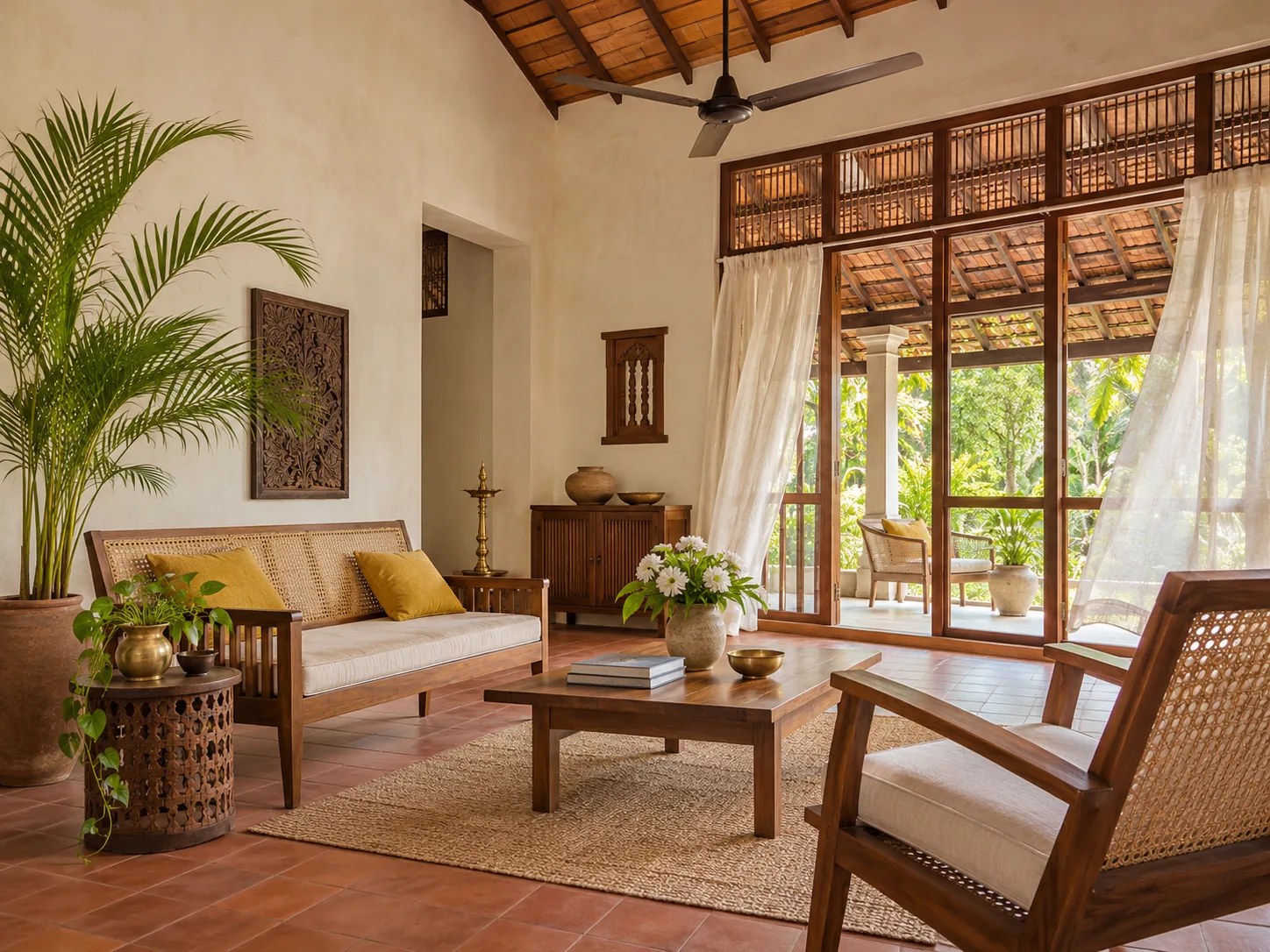
When the weather is hot, a home can feel uncomfortable even after the sun has moved off the windows. The way a room is shaded, ventilated and furnished can make a meaningful difference to everyday comfort in Sri Lanka’s tropical climate.
Start with simple observations: which rooms get strong morning or afternoon sun, where air can enter and leave, and which areas stay warm after sunset. The ideas below focus on practical improvements for houses and apartments, from low-cost changes to upgrades worth discussing during a renovation.
Block heat before it reaches the room
1. Notice when each room gets direct sun
Spend a day noting which windows receive intense sun and at what time. Afternoon sun can be especially difficult to manage once it has warmed the walls and furnishings. This simple check helps you focus shade where it will have the greatest effect.
2. Shade windows from the outside where possible
External overhangs, verandahs, awnings or adjustable screens can stop some sunlight before it passes through the glass. Choose a solution suited to the building and local weather, and make sure it will not obstruct drainage, access or neighboring property.
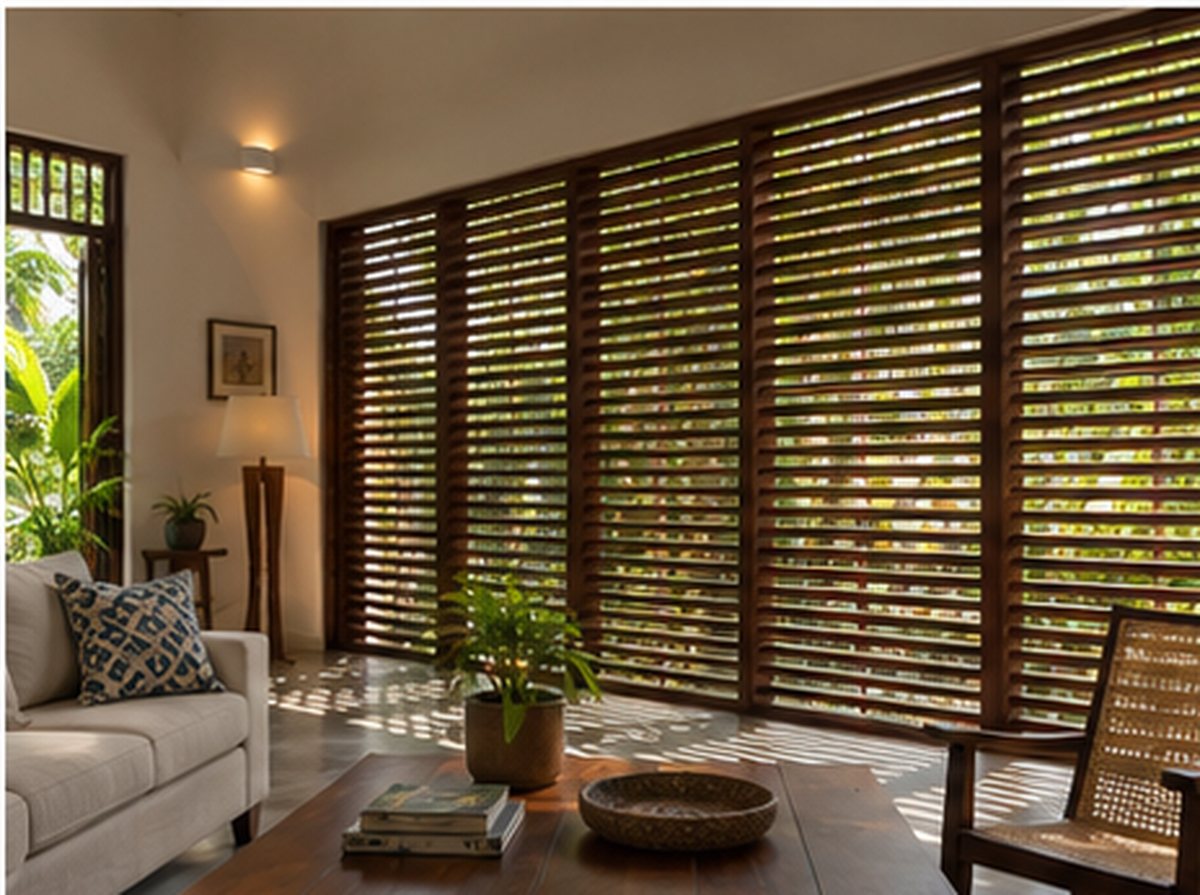
3. Use curtains and blinds strategically
Close curtains or blinds on sun-exposed windows during the hottest part of the day, then open them when outdoor conditions are more comfortable. Lined or light-filtering options offer different levels of glare control and privacy; check the fabric and care instructions before choosing.
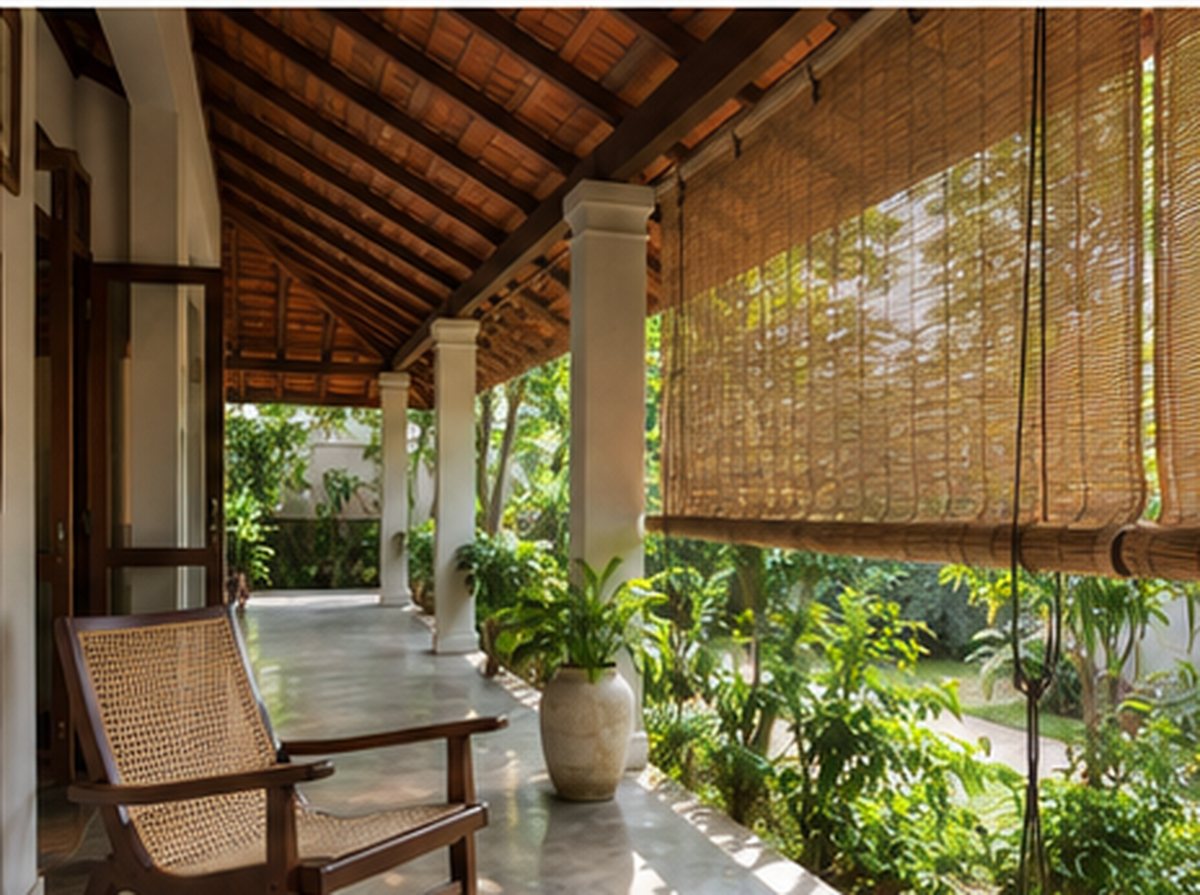
4. Add a shaded verandah or balcony treatment
A covered outdoor edge can provide a useful buffer between the sun and living spaces. For an existing balcony, consider a suitable retractable shade or screen, subject to building rules and wind exposure. Keep the treatment secure and do not block emergency access.
5. Plant for shade with building care in mind
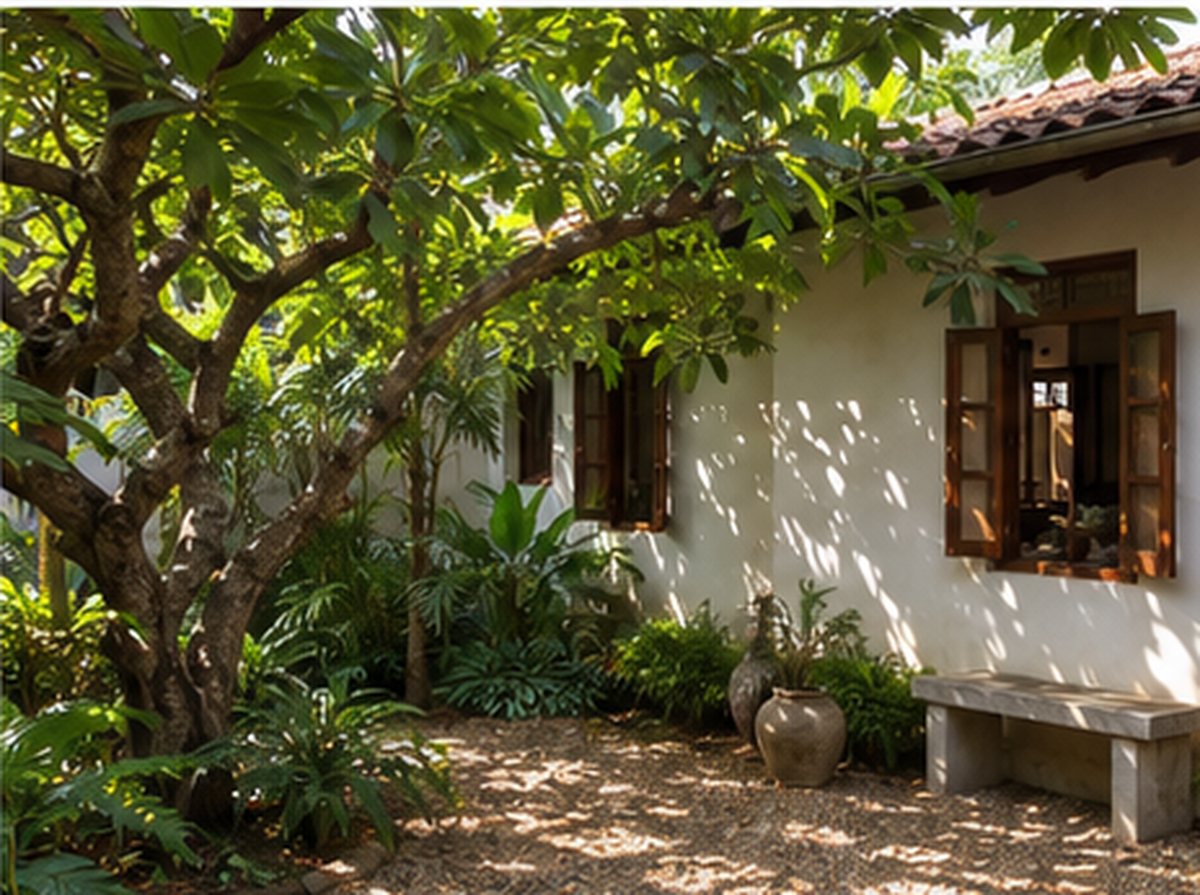
Well-placed trees and larger plants can shade outdoor areas and soften the view. Choose plants suited to the site and allow enough distance from foundations, drains, overhead cables and neighboring boundaries. A container garden is a flexible option for balconies, with attention to safe loads and drainage.
6. Reduce heat from the roof
Roofs receive strong sunlight and can transfer heat into upper rooms. During a renovation, ask a qualified professional about suitable insulation, ventilation and roof finishes for the building. Do not add heavy layers or alter roof ventilation without checking structural and moisture implications.
Help air move through the home
7. Create a clear cross-breeze path
When outdoor air is comfortable, opening windows on opposite sides of a room or home can encourage cross-ventilation. Keep the route between them clear of tall furniture and heavy curtains. The effect depends on wind direction, window size and the surrounding buildings.
8. Open windows at cooler times
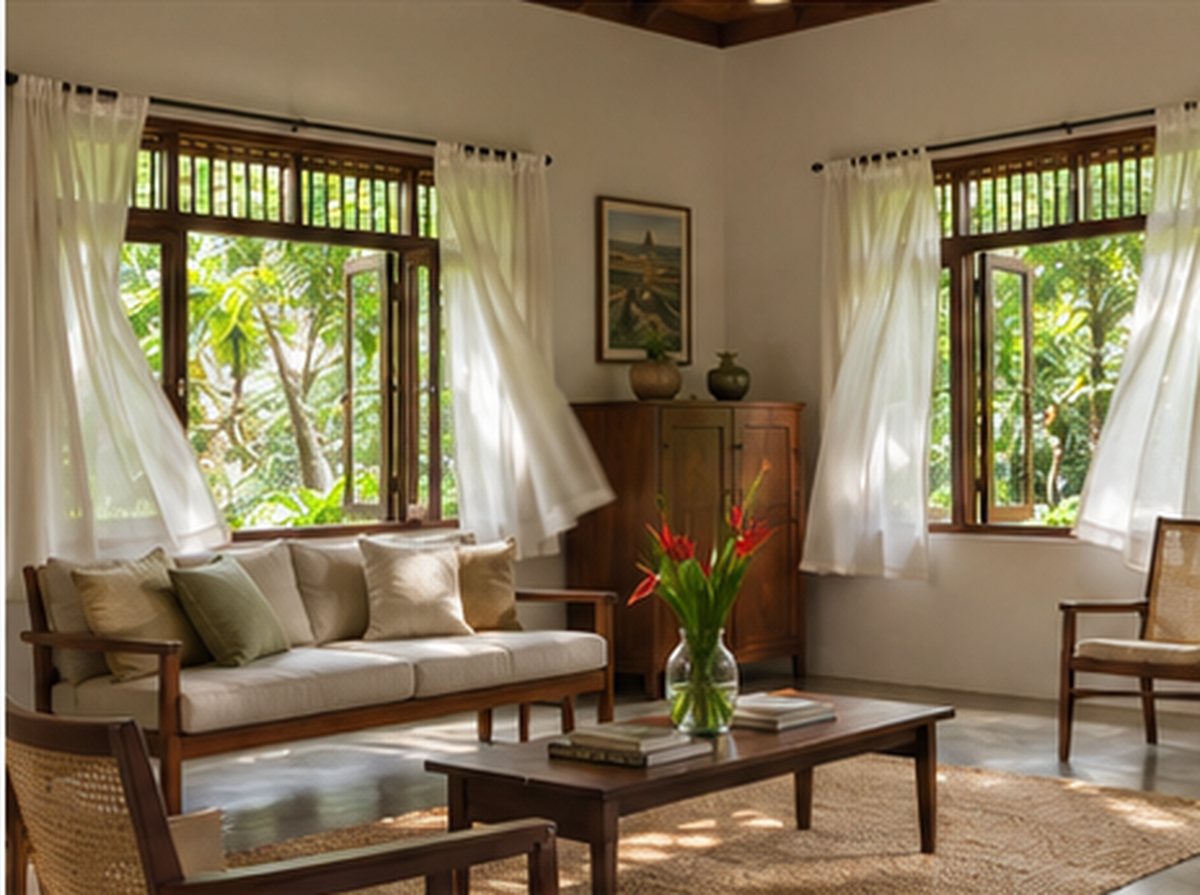
Use early morning or evening periods to air the home when outdoor air feels cooler than inside. Close or shade windows when hot air or direct sun would make the room less comfortable. Insects, rain, security and outdoor air quality should also guide when windows stay open.
9. Keep internal doors open when practical
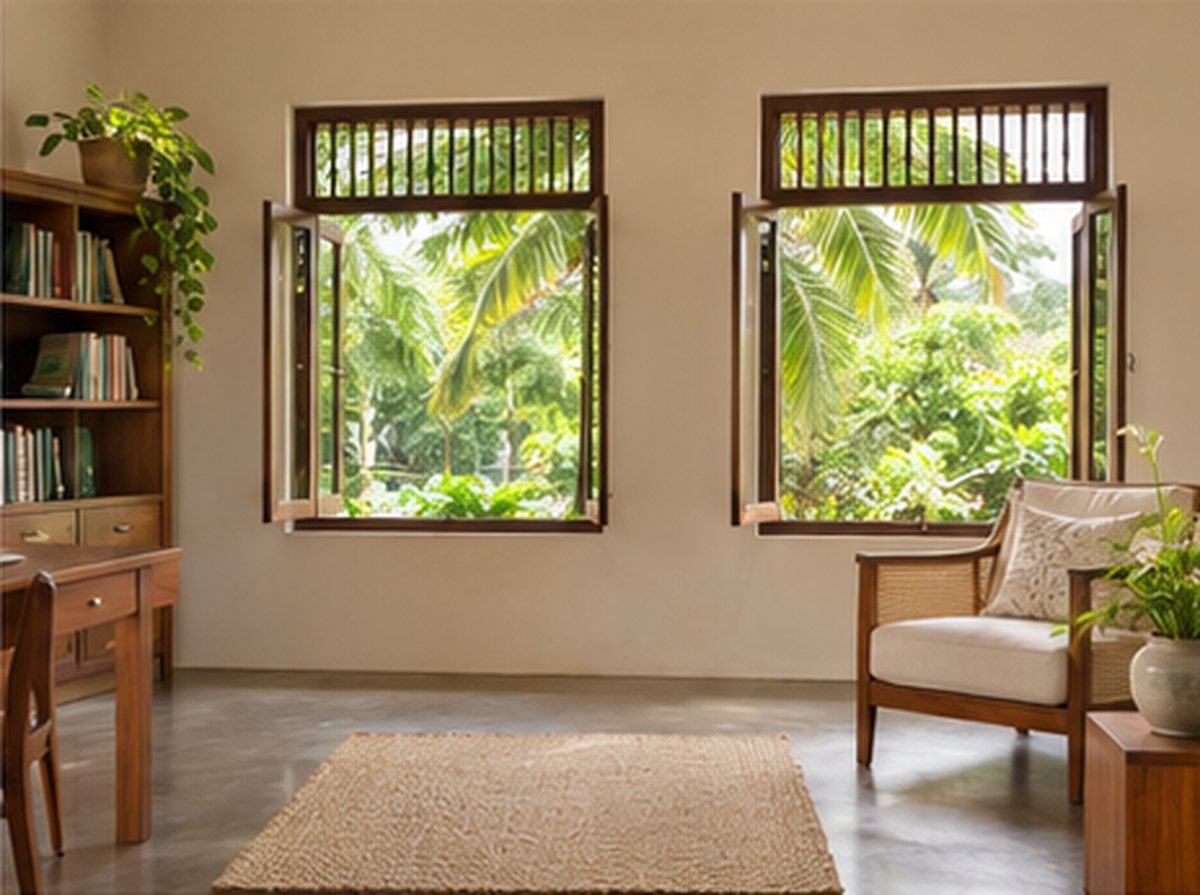
Open interior doors can help air circulate between connected rooms, especially when windows are placed to support a breeze. Close doors where privacy or noise control matters. Avoid blocking corridors with furniture that interrupts movement and ventilation.
10. Use fans to support comfort
A ceiling or pedestal fan moves air across the skin and can make a room feel more comfortable while people are present. Set it to a comfortable speed and switch it off when the room is empty. Fans circulate air; they do not lower the room’s temperature on their own.
11. Choose a fan sized for the room
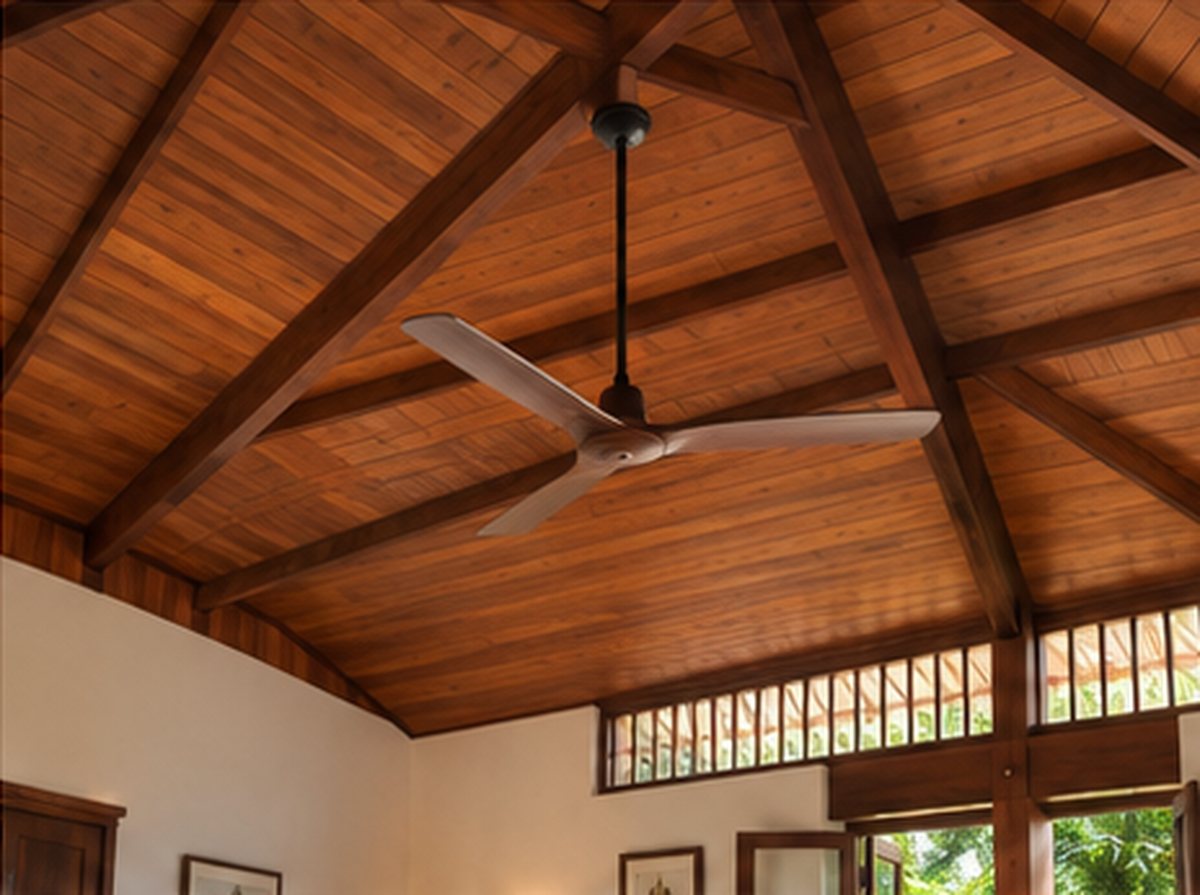
Compare the fan’s size and airflow rating with the room dimensions, ceiling height and furniture layout. A fan should be mounted securely and positioned with appropriate clearance. Have an electrician confirm the wiring, support and installation requirements.
12. Keep ventilation openings clear
Do not cover louvres, grilles or high-level openings with storage or decorative panels. Clean them periodically so dust and debris do not restrict airflow. If a room has no good ventilation route, ask a building professional about safe options rather than cutting a new opening without assessment.
Choose materials and furniture for tropical living
13. Prefer lighter finishes in sunlit rooms
Light-coloured walls and curtains can reflect more daylight and create an airy feel. If repainting, compare samples at different times of day and choose a finish suitable for the surface. A pale palette is most effective when paired with shade and a good airflow plan.
14. Keep heavy furniture away from windows
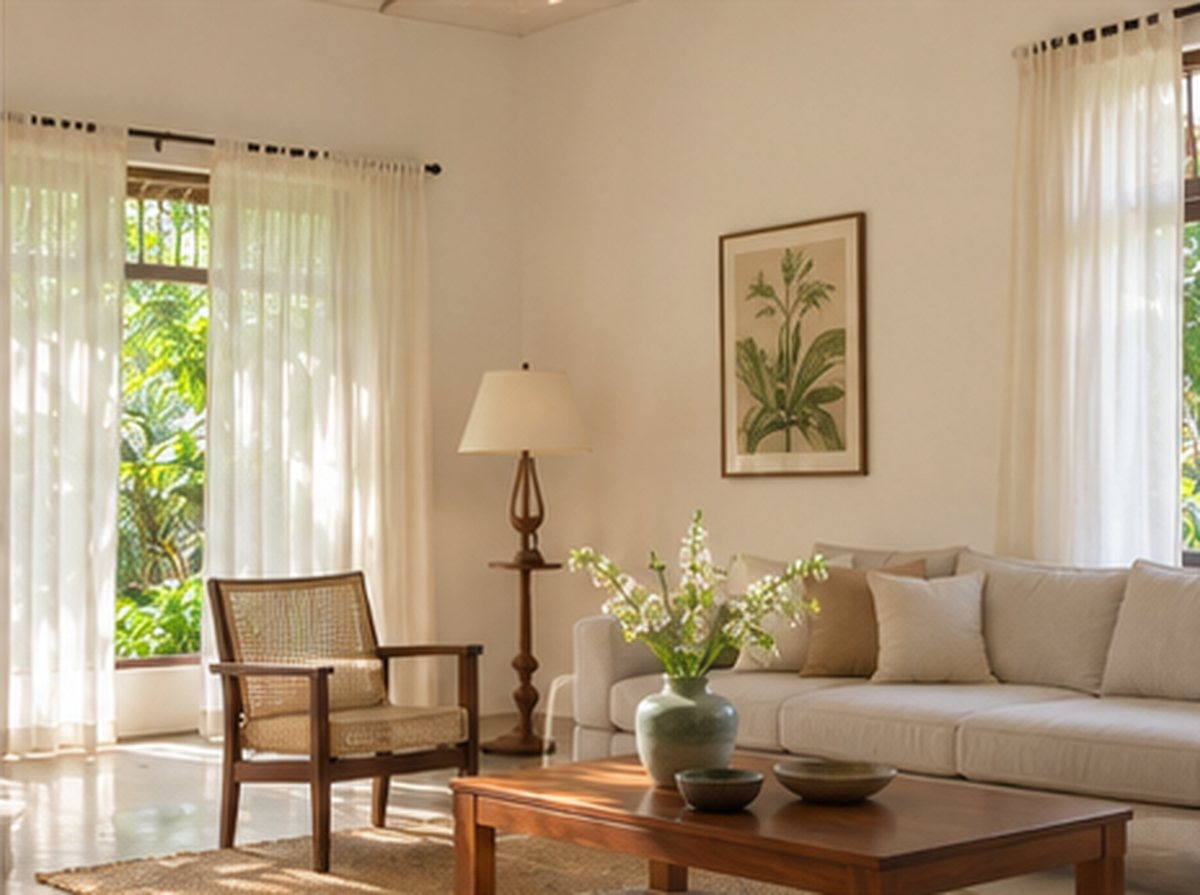
Large pieces placed directly in front of a window can reduce airflow and block useful daylight. Arrange sofas and cupboards so windows can open fully and curtains can move freely. Leave a clear path for air to travel across the room.
15. Choose breathable, easy-care textiles
Lightweight curtains, washable cushion covers and removable throws are practical in warm weather. Natural and blended fabrics all have different care needs, so check cleaning guidance and drying time. In humid periods, let washed fabrics dry completely before storing them.
16. Limit heat from appliances and lighting
Use task lighting where needed and switch off lamps and appliances that are not in use. When possible, avoid running heat-producing appliances during the warmest hours. Keep refrigerators and other equipment ventilated according to the manufacturer’s clearance instructions.
17. Make outdoor spaces comfortable too
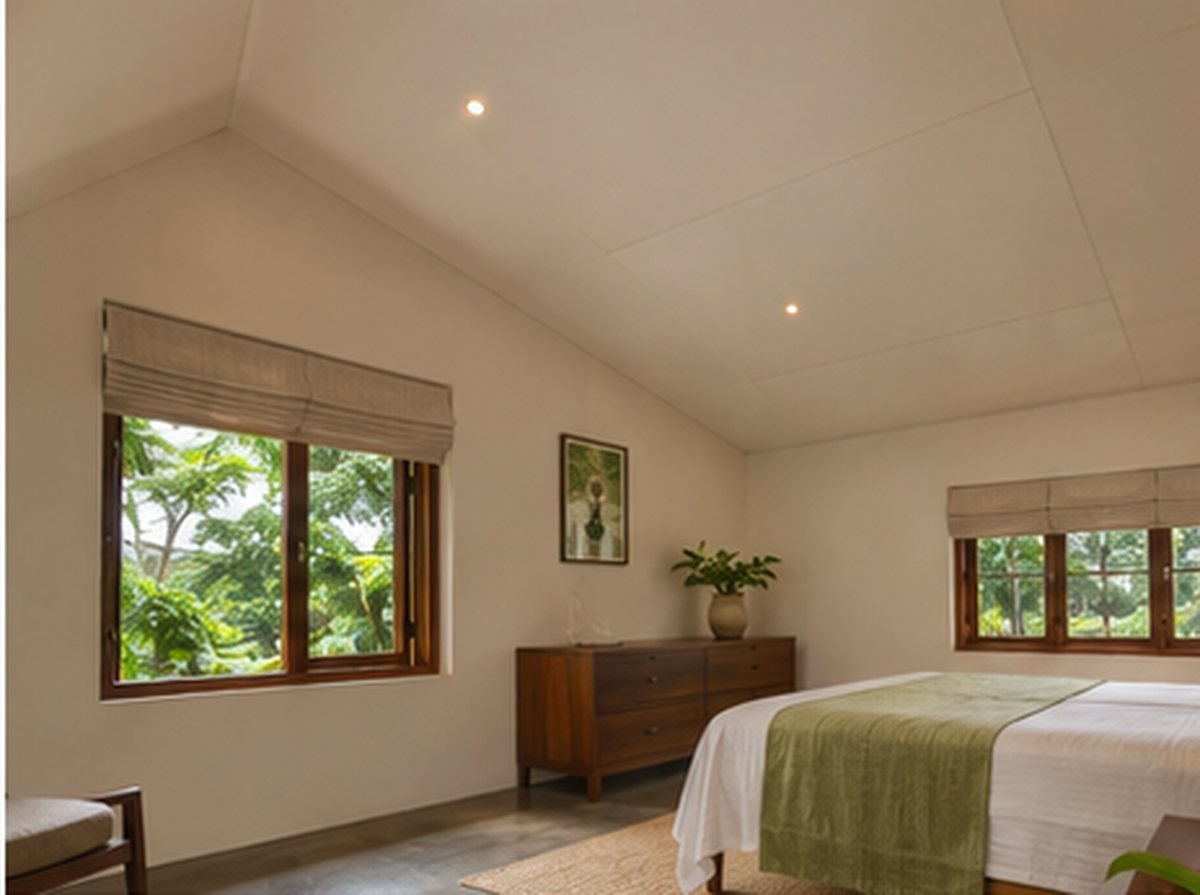
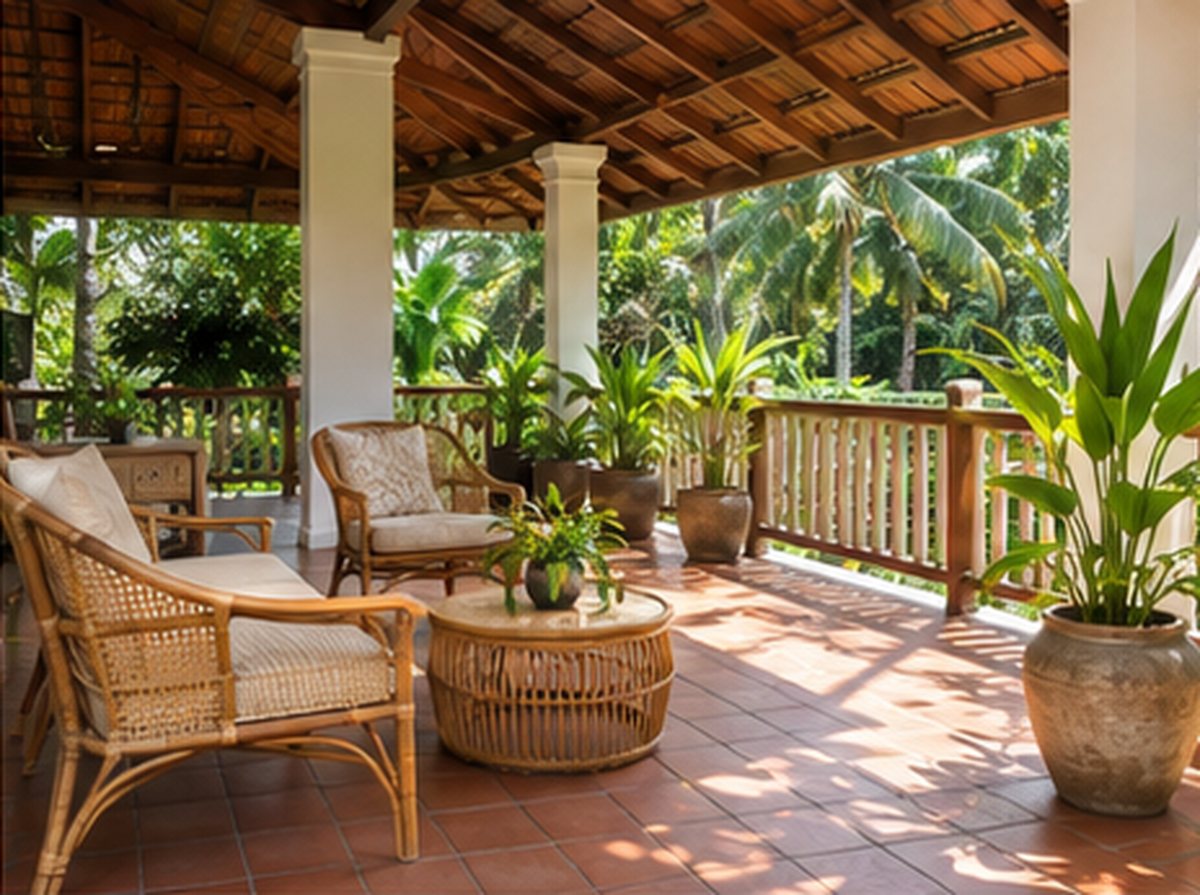
A shaded, ventilated verandah can become a comfortable place to sit during the day. Use outdoor-rated furniture and fabrics, and keep cushions dry during rain. For apartments, check any building rules before attaching screens, shades or plants to the exterior.
Plan upgrades with comfort and safety in mind
18. Consider window improvements during a renovation
Well-placed openable windows and high-level vents can improve airflow, but the right design depends on the building’s structure, security, noise and weather exposure. Ask a qualified designer or contractor to assess the room before enlarging or relocating openings.
19. Check the roof and ceiling for trapped heat
If an upper room stays hot into the evening, the roof space may need better shading, insulation or ventilation. Have the roof checked for leaks and confirm that proposed vents will keep out rain and pests. Improvements should suit the roof construction and local conditions.
20. Make a room-by-room comfort plan
List the hottest rooms, note the time they become uncomfortable, and identify whether sun, poor airflow or heat from appliances is the main issue. Try one change at a time and observe the result. A focused plan helps you spend effort where the household will notice it most.
A cooler-feeling home, one practical change at a time
Comfort usually comes from several measures working together: reduce direct sun, make use of cooler outdoor air, move air with fans and keep the layout open. Start with reversible steps such as adjusting curtains, clearing airflow paths and changing fan habits. Then consider larger improvements if the room still holds heat.
Every home is different, especially in apartments and older buildings. Before changing roofs, windows, wiring or exterior elements, check building rules and consult a qualified professional. Thoughtful shade and ventilation can help a Sri Lankan home feel more pleasant without sacrificing natural light or its connection to the outdoors.
මෙය ප්රයෝජනවත් වුණාද?
ඔබේ ප්රතිචාරයට ස්තූතියි!
සමාවන්න, එය සාර්ථක නොවුණා. කරුණාකර නැවත උත්සාහ කරන්න.